
OPHTHALMOLOGY IS FOR AESTHETES
Jacek Michalak in conversation with Dr Werner Jerke
Jacek Michalak: What are you reading at the moment, Werner?
Werner Jerke: I always read a German and a Polish book at the same time. At present my Polish book is Szczepan Twardoch’s Drach—a great family saga set in Silesia—while in German I am reading Swedish author Jonas Jonasson’s Der Hundertjährige, der aus dem Fenster stieg und verschwand (published in English as The Hundred-Year-Old Man Who Climbed Out of the Window and Disappeared—J.M.).

J.M.: Werner, you are German. You spent the first twenty-four years of your life in Poland and have lived in Germany for more than thirty years; you speak excellent Polish, and Polish art predominates in your collection. Please tell us about yourself. Let us begin with your childhood.
W.J.: I was born in Wielowieś in Upper Silesia, into a family of German origin. Until the age of seven I spoke only German. My parents spoke German at home, and I also initially spoke German with my sister, who is three years younger. I was born in the same house as my mother. She, however, was born in Germany, whereas I was born in Poland.
J.M.: When and where did you begin learning Polish?
W.J.: In 1964, when I was seven, I started Year One at a primary school in Pyskowice (a Polish school, of course; we lived in Poland). My family had moved to the town a little earlier. We lived on an ordinary housing estate and our neighbours were mostly Polish. My first days at school were very difficult: I quickly had to catch up and learn Polish. But I decided to show everyone that I could manage.
J.M.: Please say a few words about your parents.
W.J.: My parents were born in Upper Silesia and their families came from there. They were German. After 1945 they were not allowed to leave for Germany and had to remain in Upper Silesia. They described themselves as Polish citizens of German nationality. When the Second World War ended, my father was sixteen and my mother twelve. They did not know Polish; German was spoken in their homes. My grandfather and my father’s brother found themselves on the Western Front during the war and did not return to Upper Silesia after 1945. My father was raised by his grandmother, who died in 1947, leaving him completely alone at the age of eighteen. My mother’s father, who was a miller, was not called up because of his age. He could not leave Upper Silesia. My parents grew up in difficult times and did not receive a proper education; indeed, they had no chance of doing so. They began learning Polish after the war and spoke German with one another. My mother initially worked at the Łabędy Steelworks, then looked after the home and raised my sister and me, while my father supported the family through his work. After the war, German-speaking inhabitants of Upper Silesia were treated as second-class citizens; we were called szwaby—Krauts—and there were acts of violence against us.

J.M.: What do you remember from primary school in Pyskowice?
W.J.: As I mentioned, the beginning was very difficult. Today I think that my strong desire to overcome those difficulties gave rise to my interest in Polish history, culture and literature. After completing Year One, I continued Year Two in a newly built Millennium School in Pyskowice, close to the estate where we lived. This September, my primary school will celebrate its fiftieth anniversary. A few days ago, the organisers of the anniversary celebrations invited me not only to attend the reunion but also to write a text for a commemorative publication. The invitation came from Błażej Kupski, one of the current teachers, who is also a journalist with the Silesian edition of Gazeta Wyborcza and, privately, the son of one of my teachers. I was delighted by the invitation. There were more German Silesians in my primary-school class, but they were all more assimilated than I was, which made things easier for them. Besides, many German-speaking Silesians decided to become Polish.
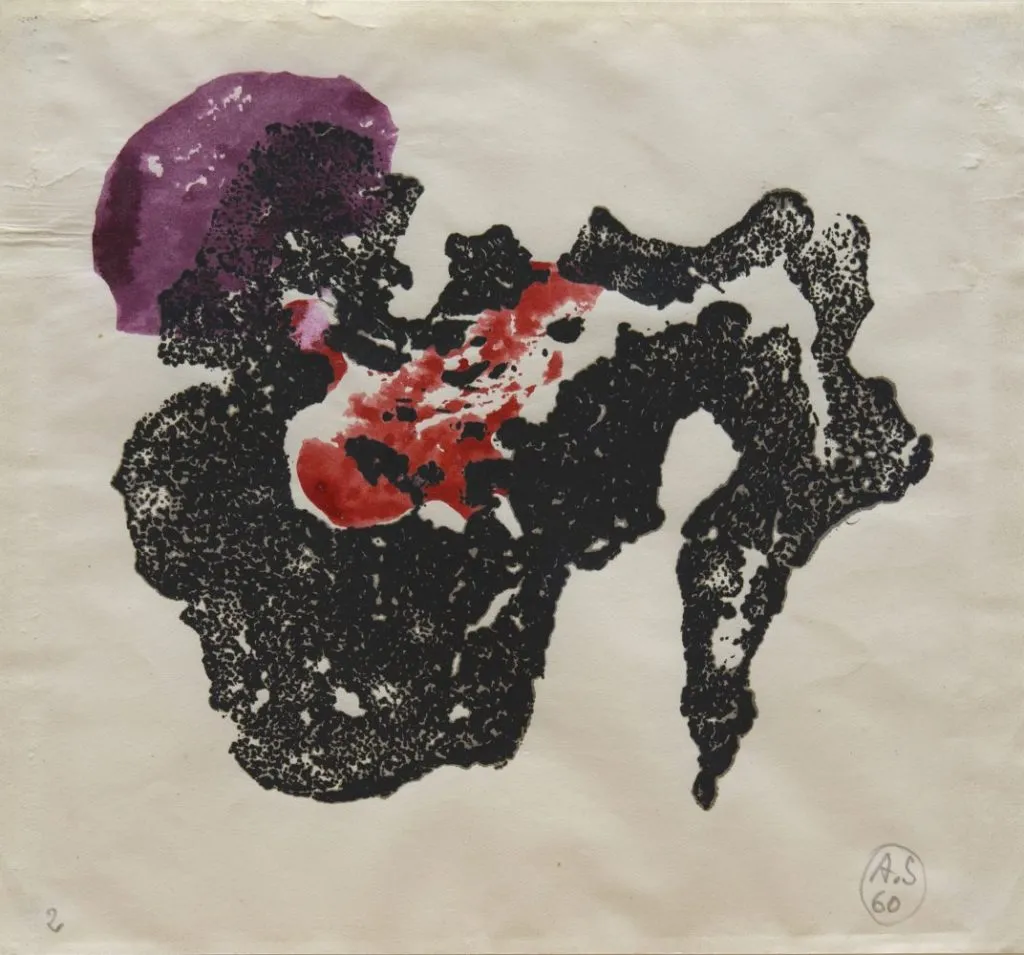
J.M.: After primary school, you continued your education at the secondary school in Pyskowice…
W.J.: Every year my parents applied for permission to leave for Germany, but each application was refused, so after primary school I began studying at Pyskowice’s only secondary school. It was an interesting school. Since 1966 it had been home to the Jaś Film Club, founded by the chemistry teacher Jan Soliński. The club was very active: we travelled to various festivals and film showcases and won many awards. I first visited Łódź in the early 1970s in connection with my work at the film club. Halfway through secondary school I made an animated film, The Establishment, which was shown at the animated-film festival in Bielsko-Biała. It was a short, one-minute film with a simple plot: smiling people entered an unnamed factory, and when work ended they came out one after another with their heads bowed, while the camera showed a sign reading ‘school’. It was a satire on the education system of the time, which frowned upon individualists, promoted mediocrity and wanted to mould everyone in the same fashion.

J.M.: Your interest in art did not come from home. I imagine your parents had no time for art and focused instead on providing you and your sister with the conditions needed for education and development. Where did your interest in art come from?

W.J.: In Year Seven of primary school I had a car accident and spent three months in hospital in Opole as a result. There were no televisions in hospitals then, so only books remained. I read quickly, and the hospital library was not very well stocked. Once I had read all the children’s books in the library that a fourteen-year-old would read, the librarian brought me a book about a French boy whose mother forced him to paint. She put a great deal of effort into interesting him in art, until eventually he became an artist—the boy was Maurice Utrillo. Years later, when I had my own medical practice and could afford to buy works of art, I purchased a watercolour by Utrillo at Sotheby’s in London. I later lent it several times to exhibitions in Japan. Today I think Utrillo marked the beginning of my interest in art. At primary school I collected coins, pre-war Polish coins. I was curious about who appeared on them and what their history was. That was how my interest in Polish history began. Then at secondary school there was the film club, a very important stage in my life. I had always wanted to study directing at the Film School in Łódź, but to be admitted one first had to complete another degree. I was also interested in geography. I had loved Kraków since childhood, so after my school-leaving examinations I applied to study geography at the Jagiellonian University. I was accepted and began my studies in 1976. The University’s Institute of Geography was on Grodzka Street, at the very end, in the former arsenal of Władysław IV; during classes I could see Wawel Castle through the windows. When you live in a city as magnificent as Kraków, you encounter art and fascinating architecture at every turn. The four years I spent there greatly strengthened my interest in art.

J.M.: But you did not apply to the Film School in Łódź.
W.J.: In 1978, my sister and father went to visit family in Germany and did not return to Poland; I remained in Poland with my mother. We too wanted to visit the family, but were not given passports. I completed my studies in 1981 and soon afterwards my mother and I were allowed to leave for Germany. The year 1981 was extraordinary in Poland. It was also the year that began a new chapter in my life.
J.M.: When you left Poland in 1981, did you already own any work of art?
W.J.: I took with me the few art books I owned. I bought my first work three years later, when I was already living in Germany.
J.M.: What happened in your life immediately after you left Poland? How did you find your feet in Germany?
W.J.: My mother and I went to Recklinghausen in the Ruhr, where my entire family lived. In that region roughly a quarter of the population has Polish roots of some kind, although today not everyone realises it. The local slang contains many borrowings from Polish; for example, one often hears the word ‘piniądze’. My wife has five female cousins, each of whom has a surname ending in -ski, while their husbands are Germans born in Germany. My wife is the only one of the six with a typical German surname, having married a German born in Poland. Although many matters here are more complex than they appear at first sight, this is nevertheless a place that offers many opportunities. In spring 1983 I began studying medicine at the University of Bonn. I had previously spent one semester at the university in Aachen, but quickly concluded that I wanted to study medicine after all and said goodbye to Aachen. Because I had to work, I completed my medical studies in 1990, only one semester late. To support myself, I worked during the semester breaks and at weekends in a hospital. During that period I met my wife, Dagmar, whom I married towards the end of my studies.
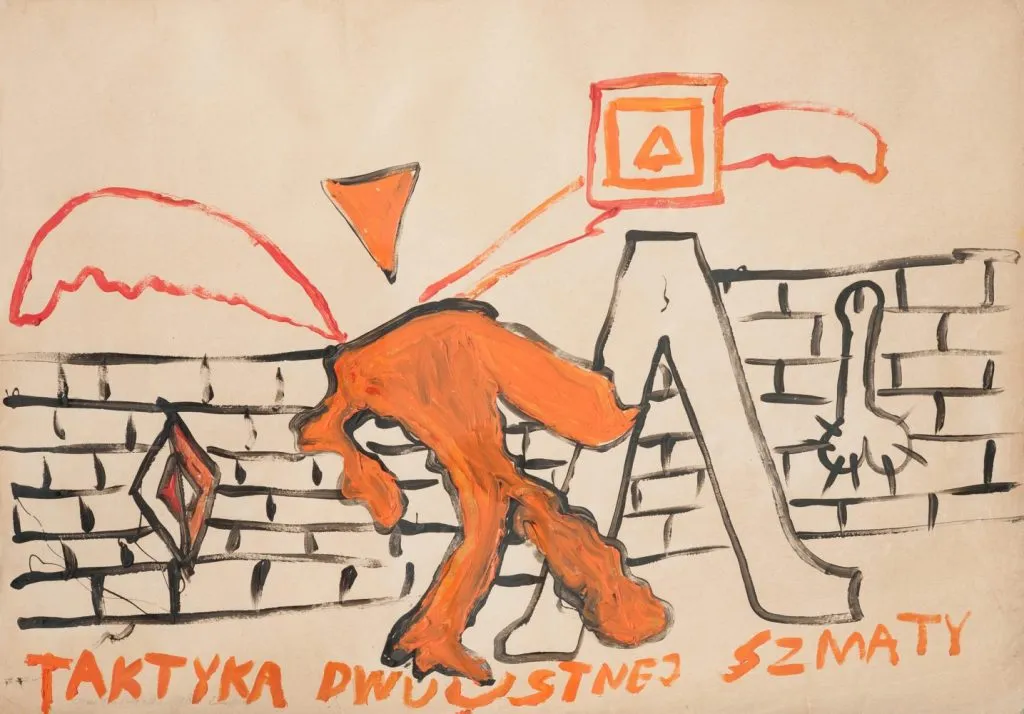
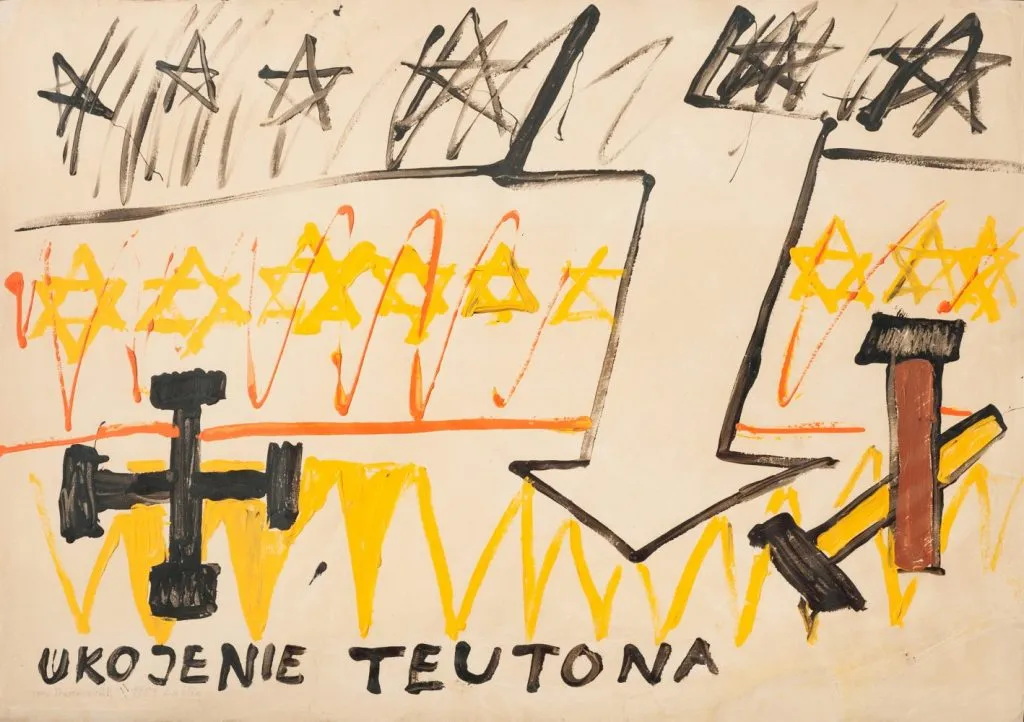
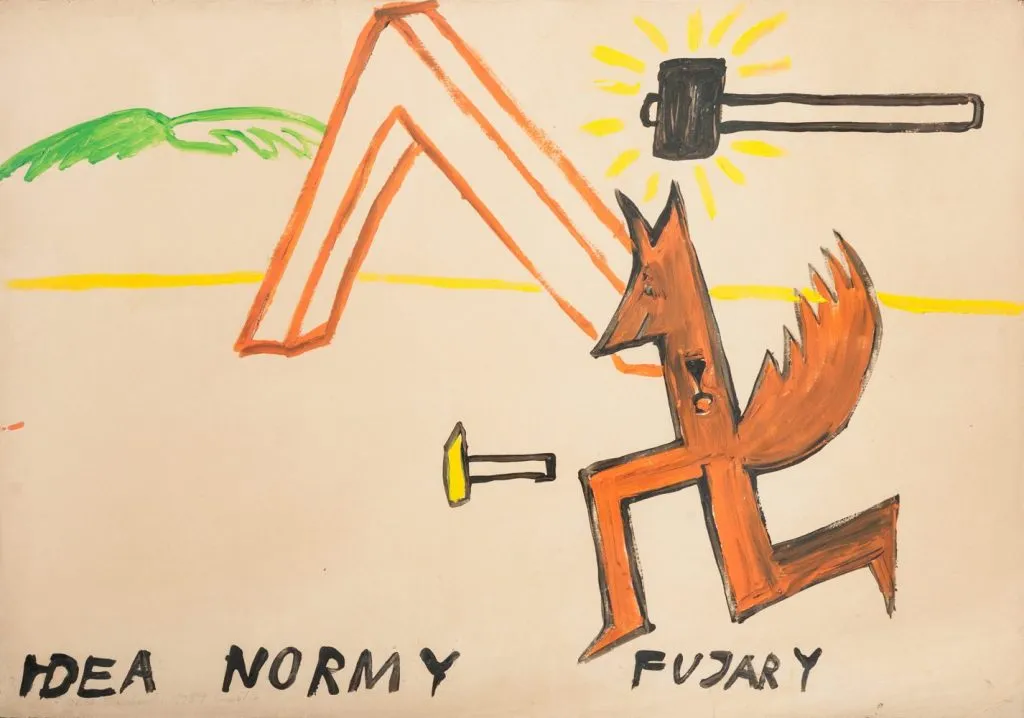
J.M.: You bought your first work while still a medical student?
W.J.: Dagmar and I tried to visit Poland twice a year. She has shared my interest in art for years. The relationship between the German mark and the Polish złoty in the 1980s meant that even a German student of modest means could afford to buy works in Poland. The first work I bought was Witold Pruszkowski’s Aquarius. Steeped in Kraków, I began with small purchases of works from the Young Poland period, including drawings by Matejko and Wyspiański. I did not visit the Museum of Art in Łódź until the late 1980s. The first work of the Polish avant-garde that I purchased was a drawing by Władysław Strzemiński.

J.M.: You returned to Poland for a year in the early 1990s. What prompted your return?
W.J.: After completing my studies I worked for three years at a private clinic. While doing so, at a conference in Germany, I met the distinguished ophthalmologist Professor Adrianna Gierek. I asked whether I might undertake training at the clinic she ran in Katowice. She agreed, and I had the opportunity to study under her for a year. It was a fascinating year. After my stay in Katowice, I worked for another year at a clinic in Bochum before buying a private medical practice in Herten, a town neighbouring Recklinghausen. I later acquired another practice and expanded my ophthalmology clinic. Today I employ thirteen people there.

J.M.: Why did you choose this field of medicine?
W.J.: It is a fascinating speciality: the eye receives art and sends visual impressions to the brain. Ophthalmology is for aesthetes.
J.M.: Besides your professional work and collecting art, you pursue another passion.
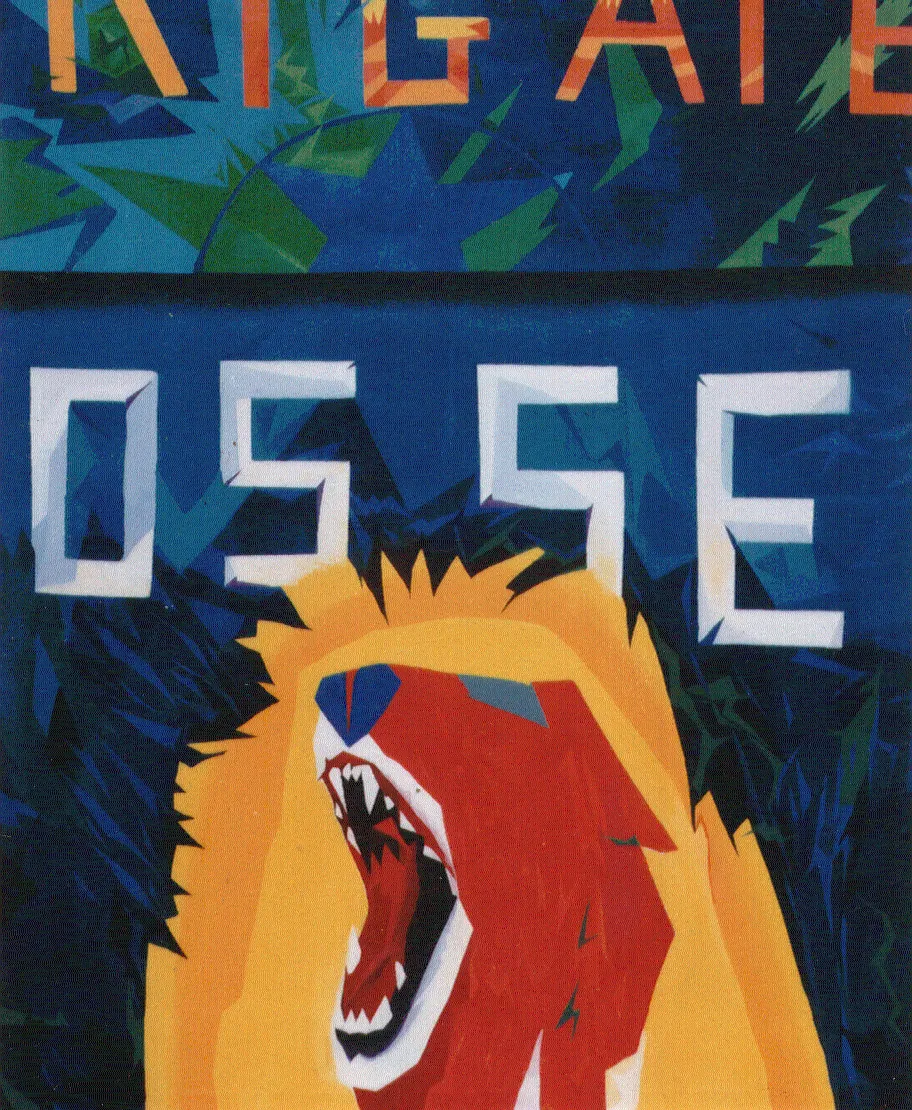
W.J.: While studying in Bonn, my friends and I often visited nearby towns and villages, and I became interested in winemaking. Once I had sufficient funds, I invested in vineyards along the River Ahr. I have been producing wine for five years. Each year I invite a Polish artist to design a label for the new vintage of the wines I produce.
J.M.: Your collection today numbers around 600 objects. There is a story behind every purchase. Which transaction do you remember particularly well?
W.J.: My collection contains about one hundred books, including many avant-garde publications from the 1920s. I would divide the works in my collection into three groups: the Polish avant-garde of the 1920s and 1930s, the École de Paris, and works made after 1960. Polish art predominates among the approximately five hundred objects I own. I make my own selection; each new purchase has to fit with what is already in the collection. I believe that a collector is also an artist. Naturally I listen to what curators, art historians and gallerists say, try to see a great deal and speak with artists, but I make the decision myself. I learnt a great deal from Janina Ładnowska, who died several years ago. We knew each other for a number of years. She visited me at home in 2003, when she came to the Ruhr in connection with a solo exhibition by Norbert Thomas being prepared at the Museum of Art in Łódź. When speaking about my collection, I also want to mention Konrad Szukalski. I value knowing him and our conversations about art. I like buying works from living artists. I have fond memories of purchasing works from Edward Krasiński; I own several of them. When I was in Edward Krasiński’s flat, I felt as though I were visiting an artist in Paris at the beginning of the twentieth century. There was an inspiring disorder, a mess. That was how I had always imagined an artist’s studio. Henryk Stażewski had previously lived in the flat. Meeting Edward Krasiński had a profound effect on me and influenced the development of my collecting interests.
J.M.: Werner, what has been your greatest disappointment in buying art?
W.J.: I was too late and failed to buy a spatial sculpture by Katarzyna Kobro dating from 1927–31.
J.M.: Which works in your collection give you the greatest satisfaction and pleasure?
W.J.: The works by Katarzyna Kobro and Władysław Strzemiński that I own.

J.M.: Works from your collection travel around the world and are presented in various places. Which such presentation do you remember particularly well? I should add that we met when a work by Samuel Szczekacz was borrowed from your collection for the artist’s solo exhibition, which we showed at Atlas Sztuki in autumn 2012.
W.J.: In 2012, MoMA presented a solo exhibition of works by Alina Szapocznikow, Sculpture Undone, 1955–1972. Among the works shown were two from my collection—a drawing and a sculpture by Szapocznikow. My wife and I attended the opening. It is exciting to be in a place like that and see information beside works stating that they come from my collection.

J.M.: You have begun building a museum to house your collection. Please tell us more about it.
W.J.: I had thought about creating a museum for years. Works from my collection have been shown in various places around the world over the years. I always wanted to exhibit them in Germany. Construction of my museum is now under way in the centre of Recklinghausen, next to the Icon Museum. An architecturally undistinguished house from the 1930s once stood on the plot where the museum is being built. The museum should open in autumn 2015. Alongside works from my collection, I also intend to present temporary exhibitions. I have good relations with Polish galleries. Many people are cheering me on: my family, my colleagues at the clinic, my patients and the mayor of Recklinghausen.

J.M.: Does the city intend to contribute to the costs of establishing and maintaining Museum Jerke? As I understand it, that will be its official name.
W.J.: Yes, my museum will be called Museum Jerke. I am covering all the costs associated with establishing and operating it and will continue to do so in future. I also intend to manage the institution myself. My colleagues at the clinic have expressed an interest in working at the museum; they are very interested in it. One of them is interested in Polish art and knows a great deal about it. There is much talk in Recklinghausen about my collection and the museum I am building. My parents live here in Recklinghausen, as does my sister with her family; they are proud of my achievements.
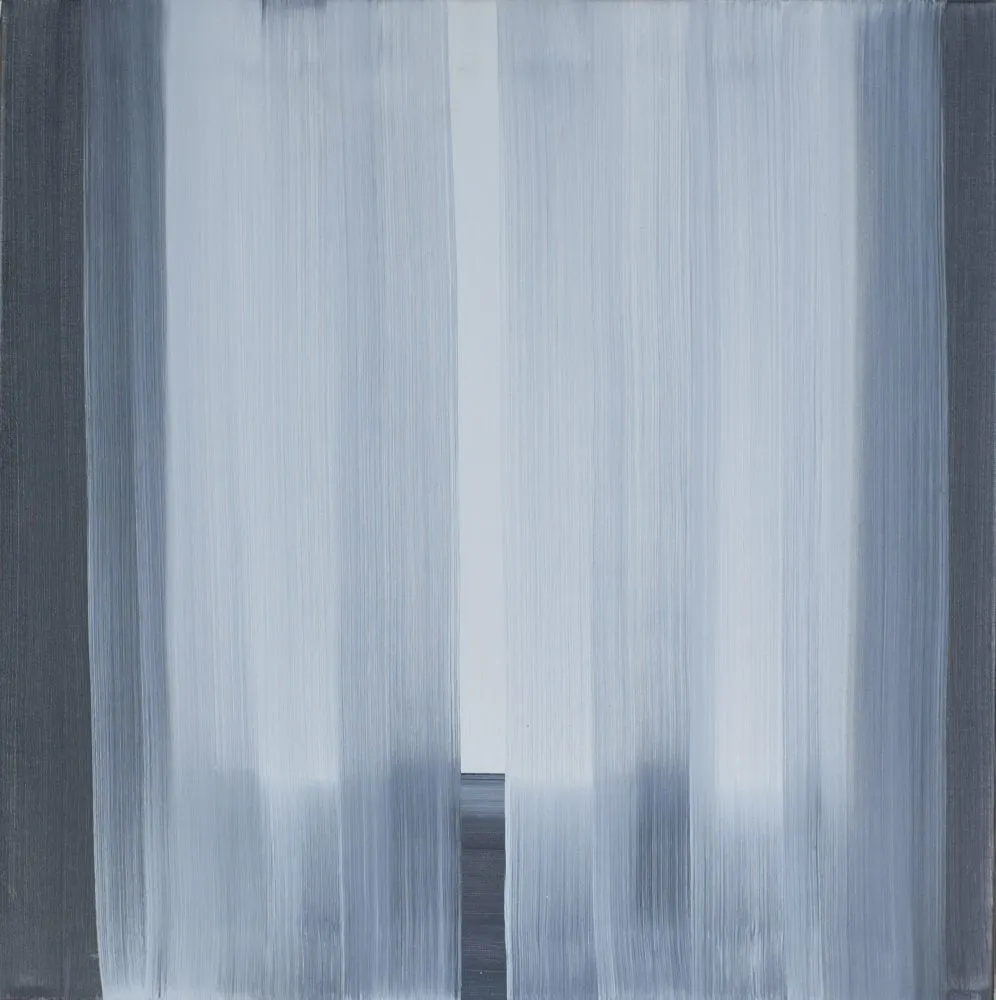

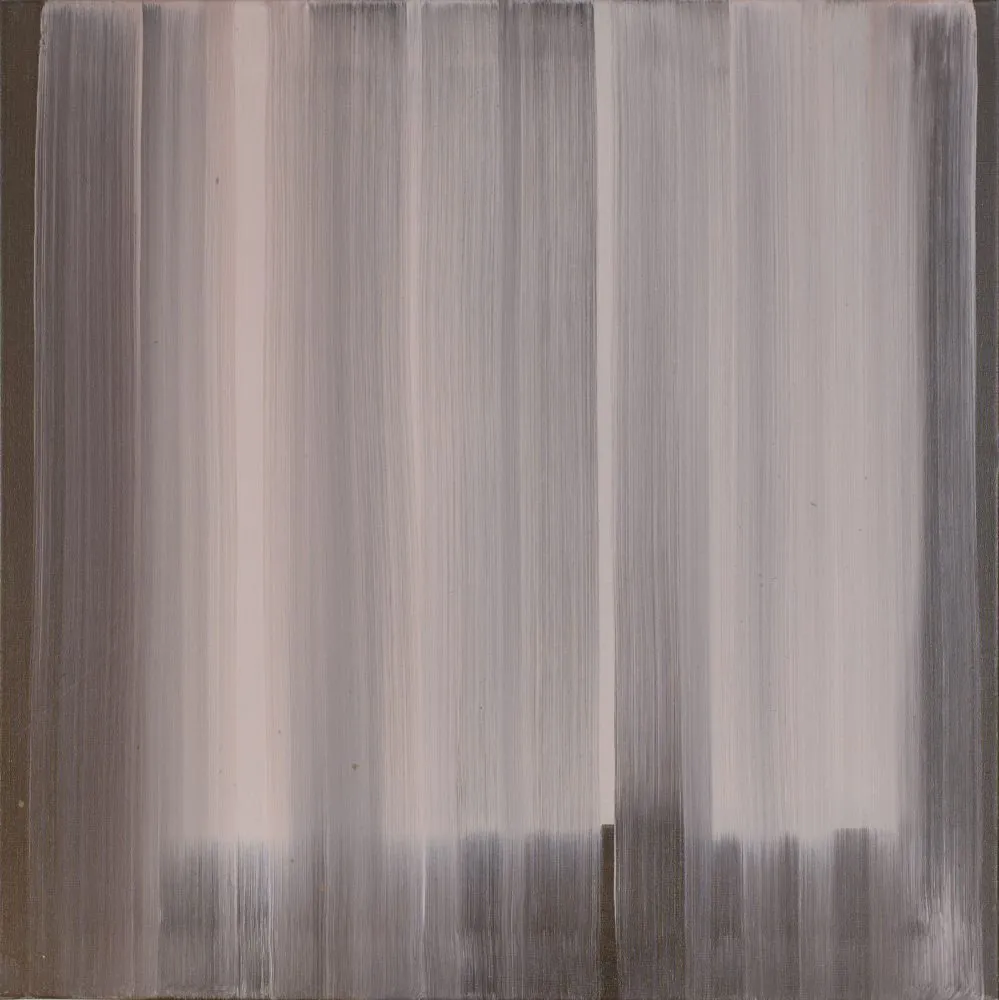
Rafał Bujnowski, Curtains, oil on canvas, triptych: 3 (55 × 55 cm), 2007, Dr Werner Jerke Collection, photo: Dominik Szwemberg
J.M.: How large will Museum Jerke be?
W.J.: Not very large: 400 square metres. As I mentioned, I am financing it myself through the Jerke Art Foundation. The Foundation will manage Museum Jerke.
J.M.: Do you have an exhibition dream?
W.J.: Yes, I am fascinated by the Polish avant-garde. I would like to show the Polish and German avant-gardes side by side at Museum Jerke. Here in Germany, the Polish avant-garde is not mentioned when people speak about the Eastern European avant-garde.

J.M.: Yet thanks to your passions, last year German audiences had an opportunity to see works by such Polish artists as Henryk Berlewi, Karol Hiller, Henryk Stażewski, Władysław Strzemiński, Teresa Żarnowerówna, Samuel Szczekacz, Maria Jarema, Edward Krasiński, Roman Opałka, Marek Piasecki, Alina Szapocznikow and Andrzej Wróblewski.
W.J.: Yes, that is true. Part of my collection was shown at the Polish Institute as part of Quadriennale Düsseldorf 2014. The exhibition, entitled Perfectly Balanced, Organically Abstract Compositions. The Polish Avant-Garde, was an encounter with the art of Polish Constructivism, which delights through perfectly balanced geometric compositions, as well as with organic abstraction—an intimate art living a life of its own. Constructivism and abstraction had fascinating Polish representatives.
J.M.: Do you hold any Polish decoration?
W.J.: No, not yet (laughs).
January 2015